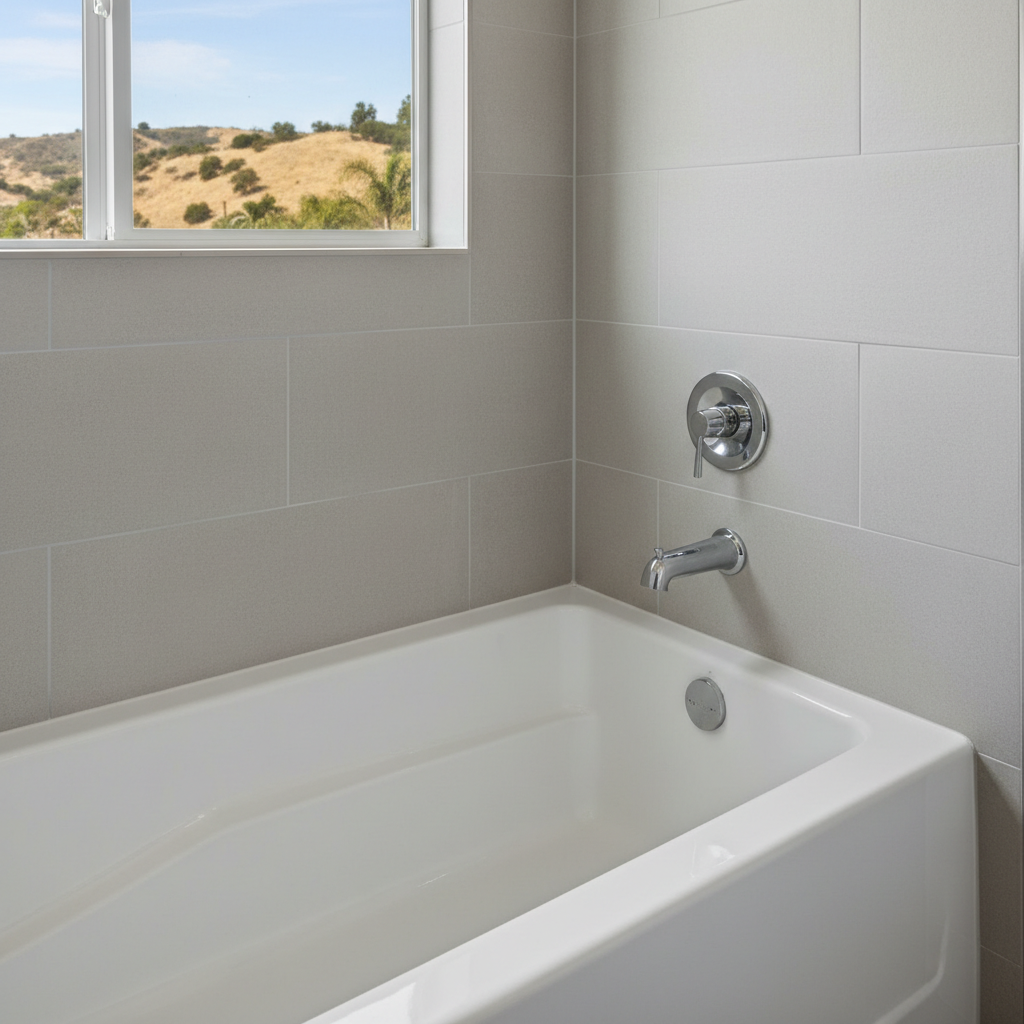
So, you're thinking about swapping out that old bathtub, huh? Maybe it's chipped, stained, or just doesn't really fit your vibe anymore. It's a super common project, and honestly, one that can totally transform your bathroom. But before you grab a sledgehammer, let's chat about what you *really* need to know.
Before You Start: Planning & Prep
First off, don't just jump into ripping things out. A bathtub replacement isn't like changing a lightbulb, after all. There's plumbing involved, and usually, some demolition. You've got to figure out what kind of tub you actually want. Are you sticking with a standard alcove tub, or are you dreaming of a freestanding soaker? The type of tub you pick really dictates a lot about the whole process.
You'll need to measure your space accurately. I can't tell you how many times folks get all excited, buy a tub, and then realize it won't fit through the bathroom door – let alone into the alcove! Measure the existing tub's dimensions: length, width, and height. Then measure your doorway, hallways, and any tight turns. Seriously, do it. Also, think about the subfloor. Older homes, especially some of those charming mid-century ranches we have all over Downey, might have subflooring that isn't quite strong enough for a heavy new cast iron tub. You might need to reinforce it, and that's definitely a job for someone who knows what they're doing, wouldn't you agree?
Another big 'before' item is your plumbing. Are you keeping the drain and faucet in the same spot? If you're moving them, that's a much bigger job, requiring a licensed plumber. Don't mess with moving supply lines or drains if you're not absolutely sure what you're doing. A small leak can turn into a huge headache and expensive water damage pretty quickly, believe me.
What You Can DIY (and What You Probably Shouldn't)
Alright, let's be realistic about what a homeowner can actually tackle. You can definitely handle the demolition of the old tub, especially if it's a fiberglass or acrylic unit. Just be careful not to damage the surrounding walls or flooring. Cutting away caulk, disconnecting the drain, and carefully prying it out – that's often doable. Removing an old cast iron tub, though? That's a beast. Those things weigh a ton and usually need to be broken into pieces just to get them out. If you're not comfortable with a sledgehammer and a lot of dust, call a pro for that part.
Prepping the area for the new tub is also something you can do. Cleaning up debris, making sure the floor is level, and patching any drywall damage from the old tub's removal. Installing the new tub, however, is where things get tricky. Setting the tub perfectly level, connecting the drain and overflow, and making sure you have a watertight seal – these are absolutely critical steps. If the tub isn't level, water won't drain right. If the drain isn't sealed properly, you'll have leaks. I've seen plenty of DIYers get this wrong, and it ends up costing more to fix than if they'd just hired us at Downey Custom Bathrooms in the first place.
Tiling around the tub? If you're experienced with tiling, go for it. But if you're new to it, getting those cuts right, keeping your grout lines straight, and waterproofing properly is tough. A poorly tiled surround looks bad and can lead to water infiltration behind the walls, which is a whole other nightmare, frankly.
During the Project: Staying Organized
Once the demolition is done and the space is prepped, you'll want to protect your bathroom. Lay down drop cloths, tape off areas, and try to contain the dust as much as possible. Keep your tools organized and your workspace clear. This isn't just about efficiency; it's about safety. Don't leave sharp tools or debris lying around where you could trip or step on them.
If you're hiring a contractor, make sure you're clear on the timeline and what they'll be doing each day. Good communication prevents misunderstandings. Ask questions if you don't understand something. It's your home, your project.
After the Install: Care & Maintenance
So, the new tub is in, sealed, and looking great. Now what? Proper care is key to making it last. For acrylic or fiberglass tubs, use non-abrasive cleaners. Harsh chemicals can dull the finish or even cause damage. For cast iron, you have a bit more leeway, but still, avoid anything that scratches.
Regularly check the caulk around the tub. Over time, it can crack or pull away, creating openings for water to seep behind the walls. Re-caulking isn't a hard job, and it's one you absolutely should do yourself as needed. It's cheap insurance against expensive water damage. Also, keep an eye on your drain. Use a hair catcher to prevent clogs, and if you do get a slow drain, try a natural enzyme cleaner before reaching for harsh chemical drain openers, which can sometimes damage plumbing over time.
A new bathtub can make a huge difference in your bathroom's look and feel. Just approach it with a plan, know your limits, and don't be afraid to call in the pros when you need to. We're here to help make sure your new tub is installed right and lasts for years.