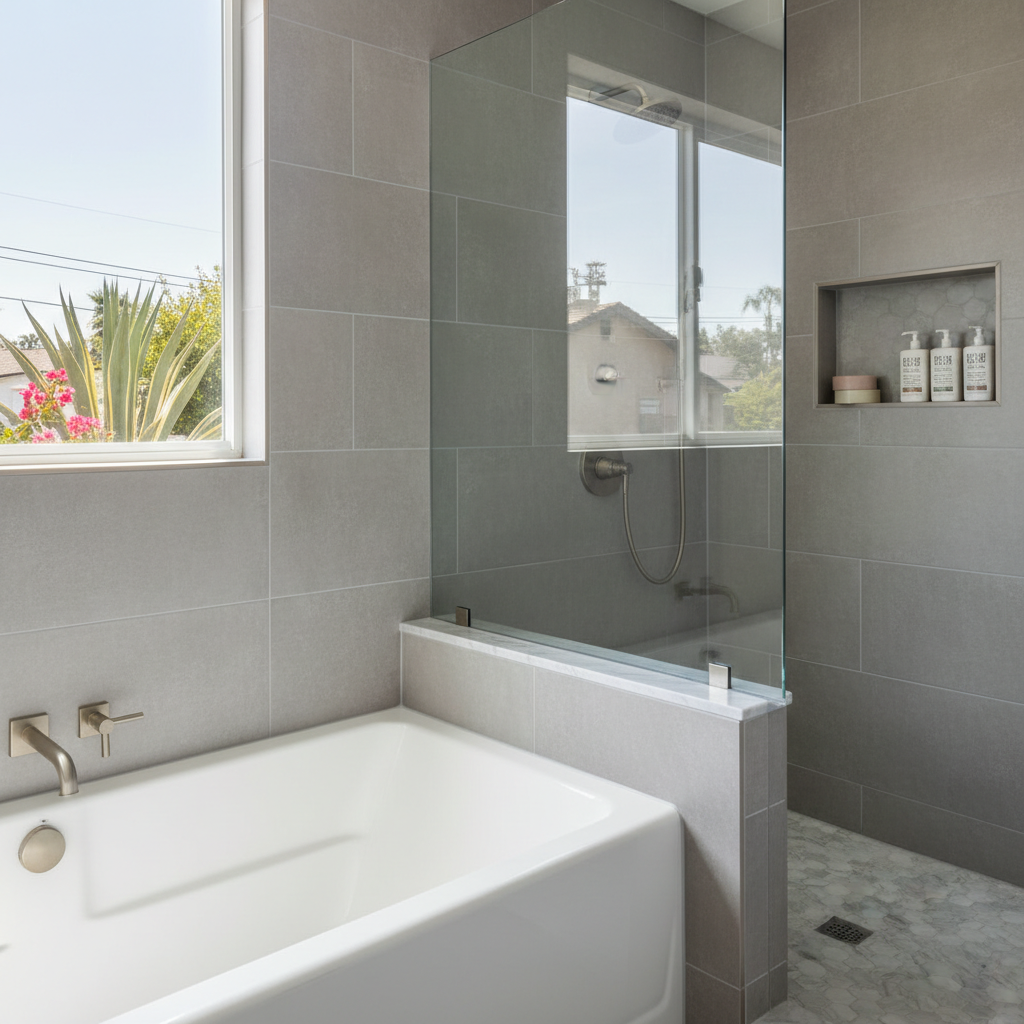
Thinking About a New Tub or Shower?
So, you're eyeing that old, chipped bathtub or that leaky shower and thinking it's time for an upgrade. Good for you! A new tub or shower can really transform your bathroom, making it feel fresh and modern. But before you grab a sledgehammer, let's talk about what this project really involves. I've seen a lot of these jobs over the years here in Downey, and there's a big difference between what you can realistically DIY and when you absolutely need to bring in a professional.
Before You Even Think About Demo
Planning is everything. Seriously. You wouldn't believe how many headaches I've seen homeowners create by not planning properly. Here's what you need to nail down first:
- Measure, Measure, Measure: This sounds obvious, but get your measurements right. Not just the opening for the tub or shower, but the doorway it has to fit through, the hallway, everything. You don't want a brand new tub sitting in your living room because it won't fit around that tight corner.
- Understand Your Space: Are you replacing a tub with another tub? A shower with another shower? Or are you changing things up, like ditching the tub for a walk-in shower? This impacts plumbing, framing, and even your hot water heater capacity.
- Check Your Subfloor: Especially in some of the older Downey homes, you might find subfloors that aren't quite up to snuff. A new, heavier cast iron tub on a weak subfloor is a recipe for disaster. You might need to reinforce it, and that's usually not a DIY job unless you're pretty handy with carpentry.
- Plumbing Location: Are your existing drain and water lines in the right spot for your new unit? If not, you'll need to move them. This is where things can get tricky fast.
- Ventilation: Is your bathroom properly vented? A new shower, especially if it's enclosed, will generate a lot of steam. Good ventilation prevents mold and mildew, which is a common issue in our humid Southern California climate if not addressed.
What You Can Probably DIY (If You're Confident)
Okay, so you've done your planning. What parts of this project can you tackle yourself to save a few bucks?
- Demolition: Tearing out an old tub or shower surround is often doable for a homeowner. Just be careful, wear proper safety gear, and make sure you've turned off the water supply first! Also, be mindful of what's behind the walls – you don't want to accidentally cut a live wire or a water pipe.
- Surface Prep: Cleaning up the area after demo, scraping old caulk, and making sure the floor is level and clean for the new installation. This is grunt work, but important.
- Installing a Shower Surround (Panel Type): If you're going with a pre-fab acrylic or fiberglass shower surround that comes in panels, and your walls are perfectly plumb and square, you might be able to install these yourself. Follow the manufacturer's instructions to the letter.
- Painting and Finishing Touches: Once the main installation is done, painting the walls, installing new trim, and putting up accessories are definitely homeowner-friendly tasks.
When to Call a Pro (Seriously, Don't Skimp Here)
This is where I tell you straight: some things are just not worth the risk of doing yourself. Plumbing, electrical, and structural work fall squarely into this category. Here's when you absolutely need to pick up the phone:
- Any Plumbing Relocation or Modification: Moving a drain, adding new water lines, or re-routing existing ones? That's a job for a licensed plumber. A small leak now can turn into major water damage later, especially with our clay soils in Downey that can make foundation issues worse if there's a constant drip.
- Shower Pan Installation (Especially Tile): If you're doing a custom tiled shower, the shower pan needs to be perfectly sloped and waterproofed. This isn't just about looking good; it's about preventing thousands of dollars in water damage to your subfloor and ceiling below. This is a highly skilled job.
- Heavy Tub Installation: A cast iron tub is incredibly heavy. Getting it into place without damaging the tub, your walls, or your back is tough. Pros have the right equipment and manpower.
- Any Structural Changes: If you're knocking out walls, reinforcing joists, or doing anything that affects the structure of your home, you need a contractor who understands building codes and structural integrity.
- Electrical Work: Adding new lighting, an exhaust fan, or moving outlets near water? Electrical work in a bathroom is particularly dangerous if not done correctly. Always hire a licensed electrician.
- Full Bathroom Remodel: If you're doing more than just swapping out a tub for a tub, if you're changing the layout, or if you want a high-end, custom look, a general contractor or a specialized bathroom remodeler like Downey Custom Bathrooms is your best bet. We coordinate all the trades – plumbing, electrical, tile, carpentry – so you don't have to.
After the Install: Maintenance Matters
Once your beautiful new tub or shower is in, don't forget about maintenance. Keep it clean, regularly check the caulk for cracks or gaps, and address any leaks immediately. A little preventative care goes a long way in protecting your investment.
Ultimately, a successful bathtub or shower installation comes down to knowing your limits. There's no shame in calling in experts for the tough stuff. It'll save you time, money, and a whole lot of stress in the long run.
```